Idle youth, minimal education and lack of government
policies make for a strong brew of illicit activities. Thus far, I have mainly
posted about all the positive choices the youth of Kenya are making. They are forming
co-operatives, NGOs and self-help groups, working to uplift the community.
However, there is certainly another side to the coin of youth choices in Kenya. In
Kibera and Dandorra, there are networks and networks of gangs which circulate
around theft, murder, armed robbery, drug addiction and weapons trading. I have
never felt unsafe walking through the ghettos, never felt worried, never
recognized that indeed, dangerous does exist here.
I was walking down to Kibera to collect
some water samples that I was preparing to distribute around Dagoretti corner.
I brought Shuba along with me to help carry some water. We were
walking the scenic backroads down behind the Nairobi show grounds. SowetoAcademy
is located in the Soweto
area of Kibera, and is right on the outskirts of Kibera where the slum ends and
Ngong forest begins. Having walked this route several times before, I proposed
we take the back road into Soweto. The back road is made up of dirt roads where
cars pass and apartments are constructed, a place that was allegedly reported to be
dangerous. However, there were women collecting firewood, children passing
through, men carrying water jugs. It was a beautiful day and I was practicing
my Swahili as we walked and talked down to the school, I felt safe.
The back road dividing Ngong road from Kibera
Out of nowhere I look up and the next thing
I see there are 4 youth men surrounding us with guns. Right before he spoke, the
leader cocks the gun, bullets are visible: “get down! Get down!” Shuba knows
exactly what is going on and gets on the ground first, I follow. The men are
speaking fast and excitedly in Cheng “where’s the money, where’s the money?”
Unfortunately, I had only brought 50 shillings (about seventy five cents), and
immediately regretted that I didn’t have more money to appease our robbers.
They went through each and every pocket looking for money “where is it, where
is it?” Looking into their eyes, it was evident they had taken substantial
drugs. They stepped on Shuba’s back so he couldn’t move and checked all his
pockets also. Not satisfied with a mere 50 shillings, they took my backpack and
left us sitting there by the road. I breathed a big sigh of relief.
Should we run out of here? They took my phone and my keys. Shuba told me they would drop my keys,
and we could pick them up as soon as they had walked a considerable distance
away. After waiting a few minutes, we went back to the road so I could pick up
my keys, which sure enough, were waiting in the dirt. Still shaky, we begin
walking away from the back road towards Kibera. Thank God they didn’t do
anything else to us. Here, there are no limits to what youth gangs, high on
drugs, conscience compromised, will do.
We start walking back to Kibera. I look
behind me and spot four young men. “Are those the same four youth?” There were
four men quickly coming down to the hill towards us. “Yes, just keep walking, don’t run…” so we walk
trying to maintain calm, I look back again and the youth are now running
towards us. Shuba grabs my hand and yells “we go, Jahwil, we go!” I lose my sandals
and attempt to keep up with Shuba who has a death grip on my wrist. We are
running flat out down hill through bumpy rocky dirt roads. I knew I couldn’t
keep balance and thought that if I fall, they will surely catch me. Too late, I
fall and roll hard. Shuba picks me up, grabs my hand “we go, we go”. Again,
running downhill, full-out, with one hand being pulled by a super fit Kenyan
youth, I lose my balance and fall again hard. This time we have reached the
bottom of the hill. Shuba stops, sees me on the ground, comes back to pick me
up and we run. Barefoot, we reach the base of the slums. We hear shouting in
Cheng behind us. The translation “Now its your turn, first we are going to deal
with you (Shuba) and then we will get to her, now you are not going to get off
so easy, this time we are going to do bad things”. Luckily I couldn’t
understand what they were saying at the time.
Outskirts of Kibera
The people on the outskirts of Kibera have
seen what is going on and are scared. Everyone looks wild eyed as we pass them.
They run inside their houses and close the doors. I can sense their fear and
how powerless these people feel. We hear someone yelling behind us “you can
stop now, they are not coming after you”. Shuba looks behind, they are just
trying to trick us, they are still coming, running, guns in the air. My clear
headed friend takes us through a labyrinth of slum houses and trenches. Both my
feet are bleeding and as I run I step in dirty sewage, though I don’t care, I
am scared. “Can we hide somewhere”
snaking in and out alleys and trenches, Shuba telling me “don’t stop”. He later explains to me that if you try to hide, they will find you in someone’s
house and they will be able to do whatever they want with you. Also, you can’t
run straight as these gangs are known to shoot, you must zigzag until you are
out of danger. Looking back, the youth are no longer within our sight. Thank
God, we make it up to Kibera drive, the main road in Kibera.
My feeling is that the immediate danger has
passed; nonetheless, we are not about to stick around long enough to know if
the gang was still looking for us. Both of us are coughing hard after that
extreme burst of activity. The lungs don’t know what hit them and I am wheezing
and sweating, and feel the pain of my sprained hip and scratched up feet.
Limping, barefoot, covered in dirt and blood, we walk out of Kibera. Now that the
danger has passed, concerned citizens are inquiring as to what happened “what
is wrong? You are hurt? Let us help you”. Shuba brushes them off, we are fine,
Jahwil, let’s get out of here.
I don’t feel safe until we hit the main
road ‘Ngong road’ and I see the abundance of cars and even police (whom I don’t
normally care for, but am grateful for now). After a long walk back, we finally
make it to Dagoretti. Walking through the doors of my house, we tell my
roommate, Mai, what had happened. She takes care of us for the rest of the
afternoon. We clean-up and though I am incredibly sore, I am incredibly
incredibly THANKFUL. Thankful for this opportunity to be in Kenya, for my
friends and family, for Shuba who saved me that day, thankful for LIFE.
I am wishing everyone a thoughtful Easter weekend this year. In Kenya, the churches have been celebrating since Friday morning. You can hear them worshiping from the early morning way into the night. The church in Kenya is big business. In fact, for individuals who have no means of supporting themselves, some will write sermons and then deliver them on the buses. People will pay 10 - 50 shillings after the sermon has commenced and the bus preacher can move on to another vehicle. I always find it somewhat amusing that one can be a preacher hustler. That aside, whatever your faith or religion is, there is great value in taking some time and recognizing the creator, respecting life, respecting the great fortunes you have in being born in this world, and accepting the huge responsibility that each person has been given.
I am very excited to report that my Satelite group: Kush-Ites Family is now a fully registered CBO (Community Based Organization). There were several layers of bureacracy we had to wade through in order to achieve this goal. It involved writing up a constitution, establishing a mandate, holding an election, and running around from office building to office building to get permission from the Chief and the District Officer. I spent many mornings waiting in long line-ups to talk to the Chief. When I finally got the chance to speak with the Chief, I was, thankfully, full prepared. I had all the documents and details that we needed to register. I met him with the Chairman of our CBO, Joseph Maina, and we diligently explained what the CBO was setting out to accomplish. The Chief was looking for a bribe and was trying to make us look bad. This is how our conversatin went:
You must have three copies of the members list
Yep, we do
Well you can't just register, you need meeting minutes and a Constitution
Yes, we have it here
You need to get an application form
Yes, it is right here
Well.... you need to go and buy some folders for us to store it in
..... Right
We spoke to the Chief on Friday who told us to come back on Monday so that he could review the Constitution. ... Right. Anyways, on Monday we returned with folders in hand, only to find out that our original copies, that we had left with the Chief, were misplaced. Several hours later - they were found and away we went to he Ministry of Social Services to send in all our documents for registration. Fastforward two weeks: we received our certificate and are a fully registered Dagoretti CBO. We are now undergoing research to establish some income generating ideas. We have discussed and looked into various businesses such as: Building and renting out trappers (forms for building), outside catering (tents, speakers, etc...), garbage collection, car wash, restaurant, chicken/goat/guinea pig rearing, charcoal businesses, among others. We have yet to come up with an idea that we want to follow through on, but the research and ideas keep coming each week. There is a saying in Swahili: Subira kuvute heri. Patience brings success. Of course, at some point patience turns to stagnation, and nothing gets accomplished.
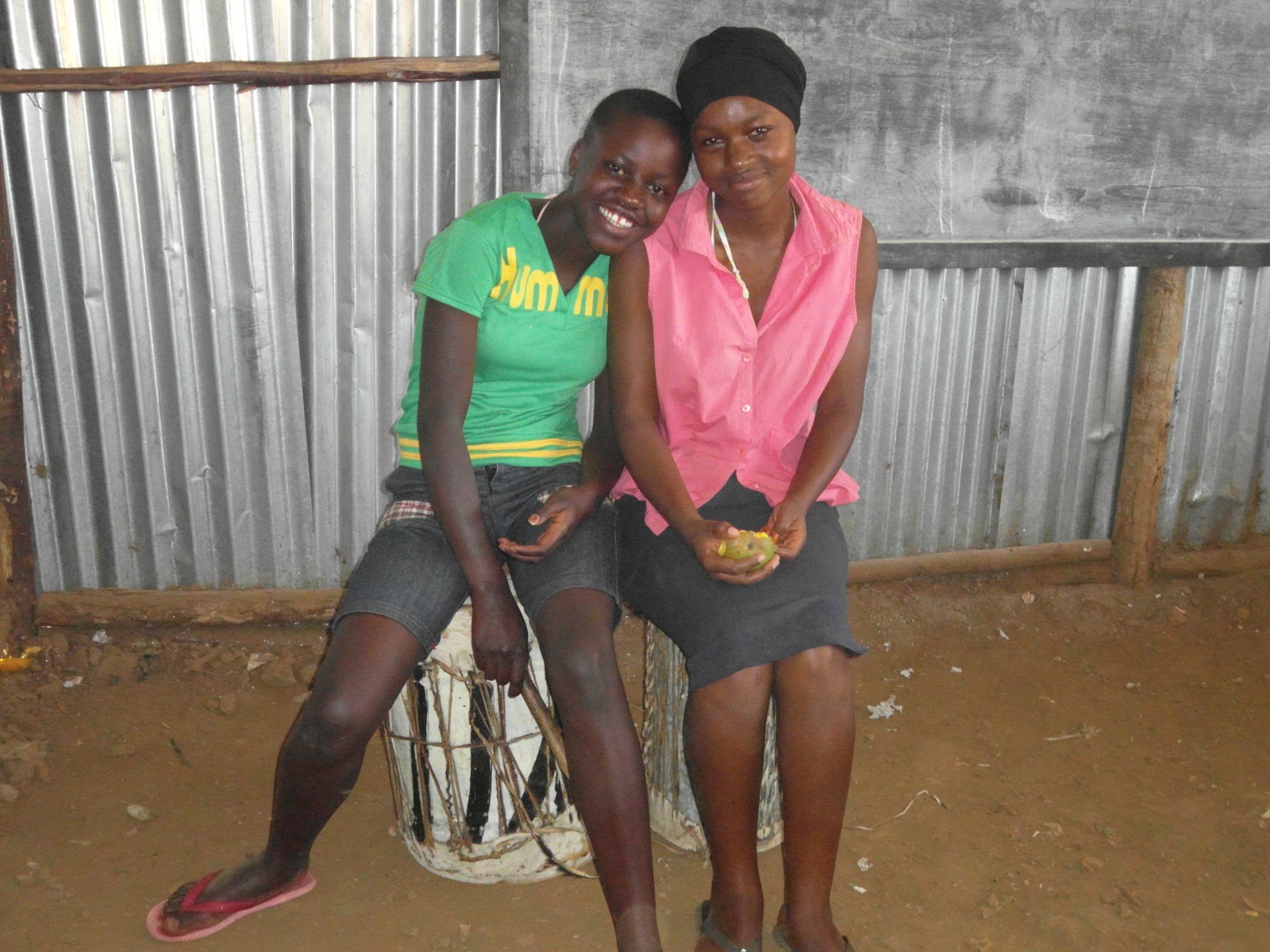
While I am never short on things to do, a new project has emerged. A project that I just couldn't say no to. I was walking through Kibera and stopped to buy some sakuma from a mama selling from her kibanda along the main drive. Being a mzungu (foreigner), I regularly hear pleas for assistance. This particular mama told me she had a daughter who had finished Form 4 (Highschool), but had no job, no opportunities, and needed some help. She asked if I could help her daughter out. I told her that I would be back tomorrow, and to bring her daughter so that we could talk. Sure enough, the next day, her daughter (Lucy) is waiting for me at her mom's kibanda. I tell Lucy that if she is serious about doing something, she should bring 5 friends together and we could pool our resources and discuss some options. We decided to meet the following week.
Lucy (foreground) and Mwendi (background)
I made up a members form to get the girls contact information, interests, abilities, skills, and limitations. I handed the forms out at our meeting, and sure enough, there were 5 young women (all young mothers) eager and willing to do SOMETHING. At that first meeting, it was revealed that the women were interested in forming a self-help group. A self-help group is a formally registered group in Kenya whereby its members work together to help one another out. We are now working on registering the group, we are short 3 members for registration (total members is now 7). We have already written our Constitution and have established regular meetings and weekly dues. Once we find three more members who are serious and willing to join the group, we will start the bureacratic process of meeting Kibera's Chief and ministry offices. We have also come up with a number of income generating ideas. The women have been diligent in doing their business research and we have struck many businesses off the list that are not looking profitable. Currently we are looking into three ideas: making charcoal briquettes, opening a cereal shop, making and selling soap. In fact, this morning, I am heading out to Karioko market to see how feasible it will be to make charcoal briquettes.
At Lucy's house in Kibera (our meeting place is a little cramped)
Though I have spent considerable time with my two community organizations (Kush-Ites and Kibera Ladies), I am still very much a member of Shiriki organization. In fact, I have some very exciting news to report. I previously mentioned that we had entered a blog competition about Youth in Agriculture. I found the blog competition online, and thought it would be an interesting way to record our progress, train staff on blog creation all the while sharing our ideas and methods with the world. The competition has now closed and though we didn't win, we were the runners up in East Africa!!! This means that they are going to pay for one of our members to travel down to South Africa to network about agriculture, meet other youth with similar mandates, and receive the runners up prize. Praises to the Most High... I am so excited about this outcome. It is always nice to see projects come to fruition. I am off to the Maragua farm this Easter weekend to see the progress that has been made there.
The water is running over at Soweto Academy. The water pump has now been fixed, and I have been helping Elsie market the water to different shops, stores and Health clubs in Nairobi. I have not spent too much time in marketing before, so this was new territory for me. However, I found it enjoyable to talk about Soweto Academy, and how the water profits go back into the Kibera community. I have signed up many new shops from my Dagoretti community with the HELP of several KUSH-ITES members who have taken me around, exhausting their connections in the Dago community.
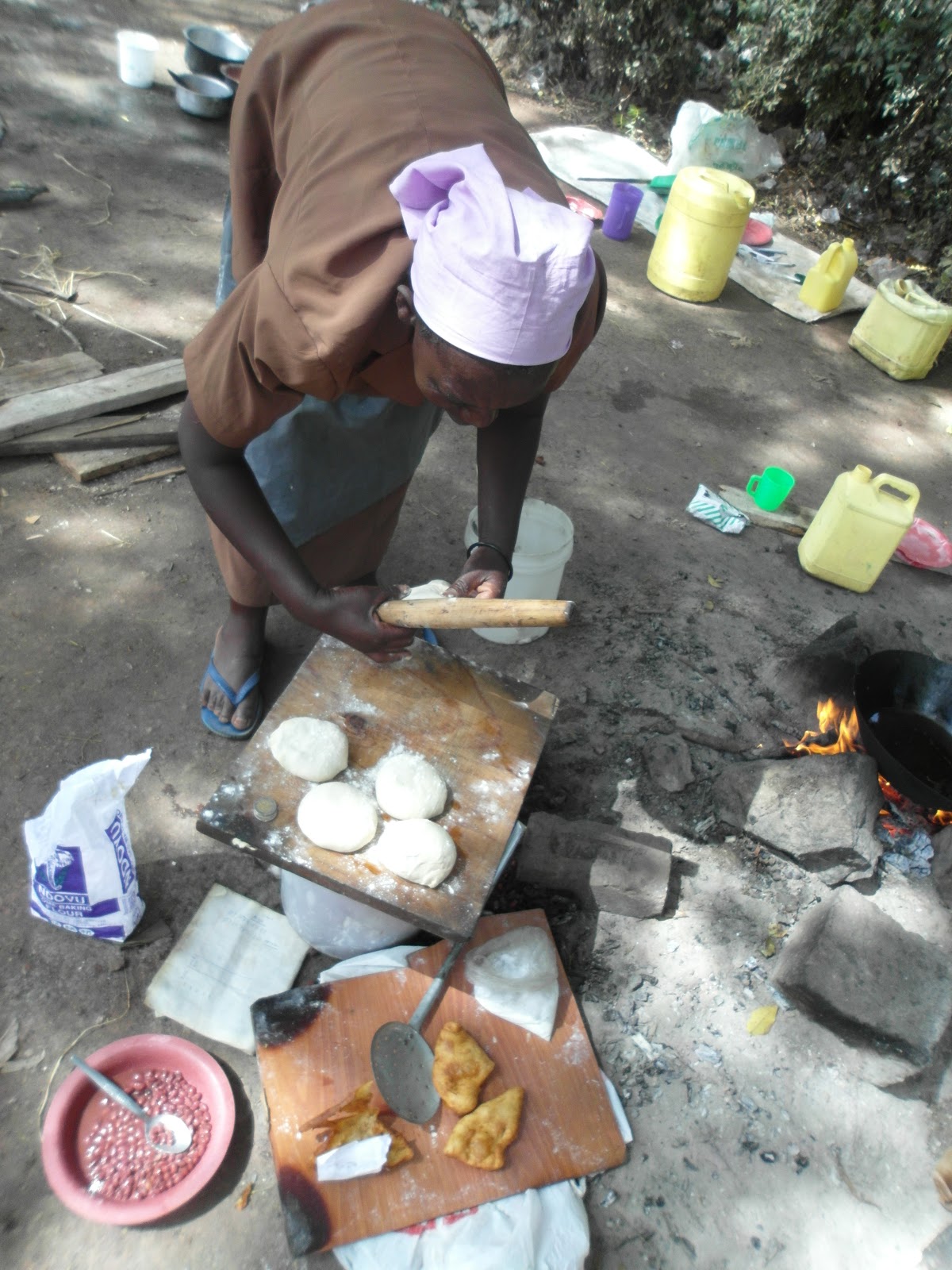
Mama making mandazis Dago
For those of you who follow my updates, I know it must sound like I am involved with many different things. I have used this year as a time to scope things out, learn about the language, culture, lifestyle and challenges of living in Kenya. I have more that I wish to update, but this morning, I must get going. Wishing everyone many many blessings.
Sitting in a matatu at 8 o clock at night, waiting in traffic to get home, I get a text. I read: "usi sahau kuhusu kesho asabuhi" Translation: don't forget about tomorrow morning! Right, I promised one of my neighborhood youth, Shuba, that we would go hiking up Mt. Longonot tomorrow morning. Though in the moment I felt tired and my first reaction was to look for an excuse of why I couldn't go, upon failing to come up with one, I awoke early the next morning and had a fantastic day.
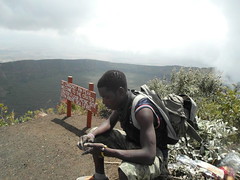
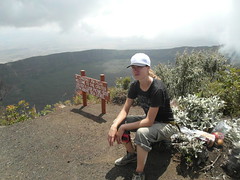
Shuba at the summit
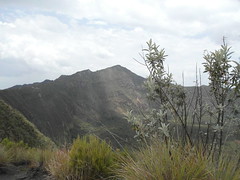
Mt Longonot is a dormant volcano located in the Rift Valley. You can take public transportation from Nairobi to the village of Longonot, and then walk to the base of the Longonot National Park. It takes about one hour to reach the rim of the volcano (a very steep and gruelling hour). Add another hour to make it to the highest point of the volcanic ridge. Though we collapsed at the top, it was victory all the way. We continued along the 2 mile volcanic rim surrounded by butterflies. It was surprisingly cool, and though my muscles ached the next day, it was a much needed day away from the city.
Butterflies were everywhere
Me at the summit
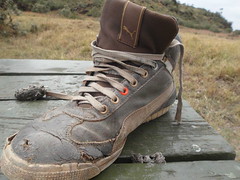
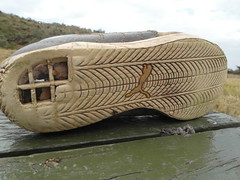
My shoes have travelled the world with me, and though I know they are almost done, I can't bear to throw them away. I couldn't help but take a picture of the wear and tear. Sadly, they will not make the trip back to Canada.
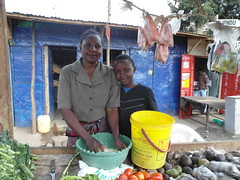
Kenya has an abundance of beautiful women from the young children dancing in the streets, to the older mamas selling vegetables along every residential street. The vegetables taste so sweet, much more flavour than the ones back in Canada (sorry, but true). This is my favourite mama to buy vegetables from. My favourite meals to cook involve buying greens such as pumpkin leaves or sakumawiki (kale), etc... and cooking them up with tomatoes, carrots, garlic, ginger and any other locally available vegetables. Mix the following together, possibly add some beans or soy for protein, and walaa: the most delicious vegetable creations you can imagine.
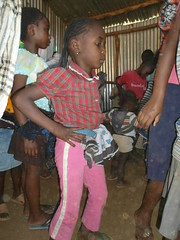
There is a local dance class that I attend. Though the class targets children, anyone can attend and get involved in the enthusiasm that is African dance. This class takes place in Kibera and was organized by a phenomenol young woman named Anna. She is an 18 year old young mother of two raising her children alone (not uncommon in Nairobi). She is skilled with the drum, with dance and with song. Here is a video of the class that I shot last Saturday. Their vision involves buying uniforms and marketing themselves to perfrom at local events and shows. What they lack in resources, they make up for in enthusiasm, joy and talent!
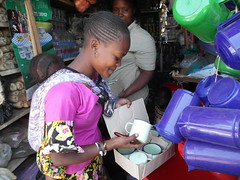
I continue to work with the youth and am helping them start their own businesses. This last week I had the opportunity of spending considerable time with Costanzia, my beautiful young friend from Tanzania. Again, Costanzia is a young mother with a 2 year old daughter. She is raising her daughter by herself and ever since I have known her, has been engaged in work involving long hours (10 hours a day), hard work (cleaning, cooking, washing) and very low pay (ranging from 75 cents to $1.50 per day). After speaking with Costanzia at length, it was revealed that she would like to open up a cafe of her own. She has worked for other women at kiosks for years, and has the skills, abilities, customer relations and know how to start up her own business. This week we decided it was time to get this started. Costanzia found a kibanda to rent, we made a list, a budget, and bought all the necessary supplies.
Buying supplies for her restaurant
Costanzia's kibanda
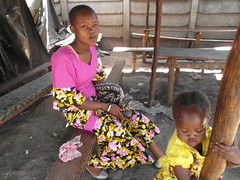
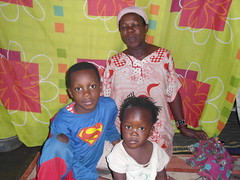
There is another young women I have become involved with. Her name is Francisca. Another single mother raising a 5 year old son on her own, and pregant with her second child. She has had many complications with this pregnancy, and fortunately, I have been able to help her with some of the necessary procedures. She is a skilled salonist, and though she is unable to work at the moment due to her troubled pregnancy, she is planning on getting back to work as soon as her baby has been born. She lives in the Kawangware slums.
Fransisca with her son and nephew
I have now shared a small glimpse into the lives three young women. All mothers, all raising their children on their own. This begs the question of why? The young women that I know are intelligent, focused, hard-working and constantly planning for the future for themselves and their children. Yet, why is there this overwhelming pattern of young pregnancies, father abandonment, and single mothers living in poverty? The emergence of single mothers has become a social norm in Nairobi. One reason involves the under-use of contraceptives and the pressure placed on young women to prove their love to their boyfriends. Despite Kenya's extremely conservative outlook on pre-marital sex, the irony is that young pregnancies are prevalent everywhere. Further, while abortion is illegal in Kenya, this doesn't mean it doesn't happen. Instead, women undertake this dangerous procedure themselves removing their pregnancies and abandoning the fetus in one of Nairobi's garbage dump sites. The result of increased urbanization, and the subsequent weakening of traditions and customs combined with poverty has resulted in this occurrence.
Johnstone, the principle of Soweto Academy once said to me "There is one thing that African men are very good at: getting women pregnant and dissapearing." In addition, the young women always seem to speak about their children's estranged fathers as their husbands. Apparently there is this idea that they are "married". Though no documentation exists, nor is the father present, there is an overhwleming desire to be married, especially among the urban poor. I assume some discussion took place that the couple is married, the pregancy commences, the child is born, the man dissapears (presumably acquiring another "wife" elsewhere).
Nonetheless, the women remain responsible, positive and incredibly hard working to provide for their families. In fact, there are numerous microfinance organizations that primarily target women and women's groups. I have had several lengthy discussions with one microfinance organizations in particular called TUDEP (Tujikuze Development Program). This group provides loans to women who are part of a women's group. The loans are incredibly low interest, and works on a system of group accountability. In addition, they only provide loans to women. I talked with a credit officer who told me that the men, in general, are much less likely to pay back the loan then women. Interesting ... Microfinance is big business in Kenya, though one challenge remains. As small microfinance institutions grow, they are struggling to find the capital necessary for company expansion.
Soweto Academy continues to push onwards and upwards. I am anxiously awaiting response from the Safaricom Foundation to hear whether or not the computer project will be funded. I was told three weeks ago that I would receive a response. How wonderful would it be to begin teaching ICT to these young women. I would love to be able to volunteer my skills and expertise in the computer classes as well. Alas, it is in God's hands. As for the water bottling company, the focus has changed from obtaining external funding to marketing the water. Great, I spend too much time at my computer already, let's get out there and sell some water! I have offered my assistance for this endeavor and have added two new clients to Soweto's roster. Hopefully by my next post we will have added many more.
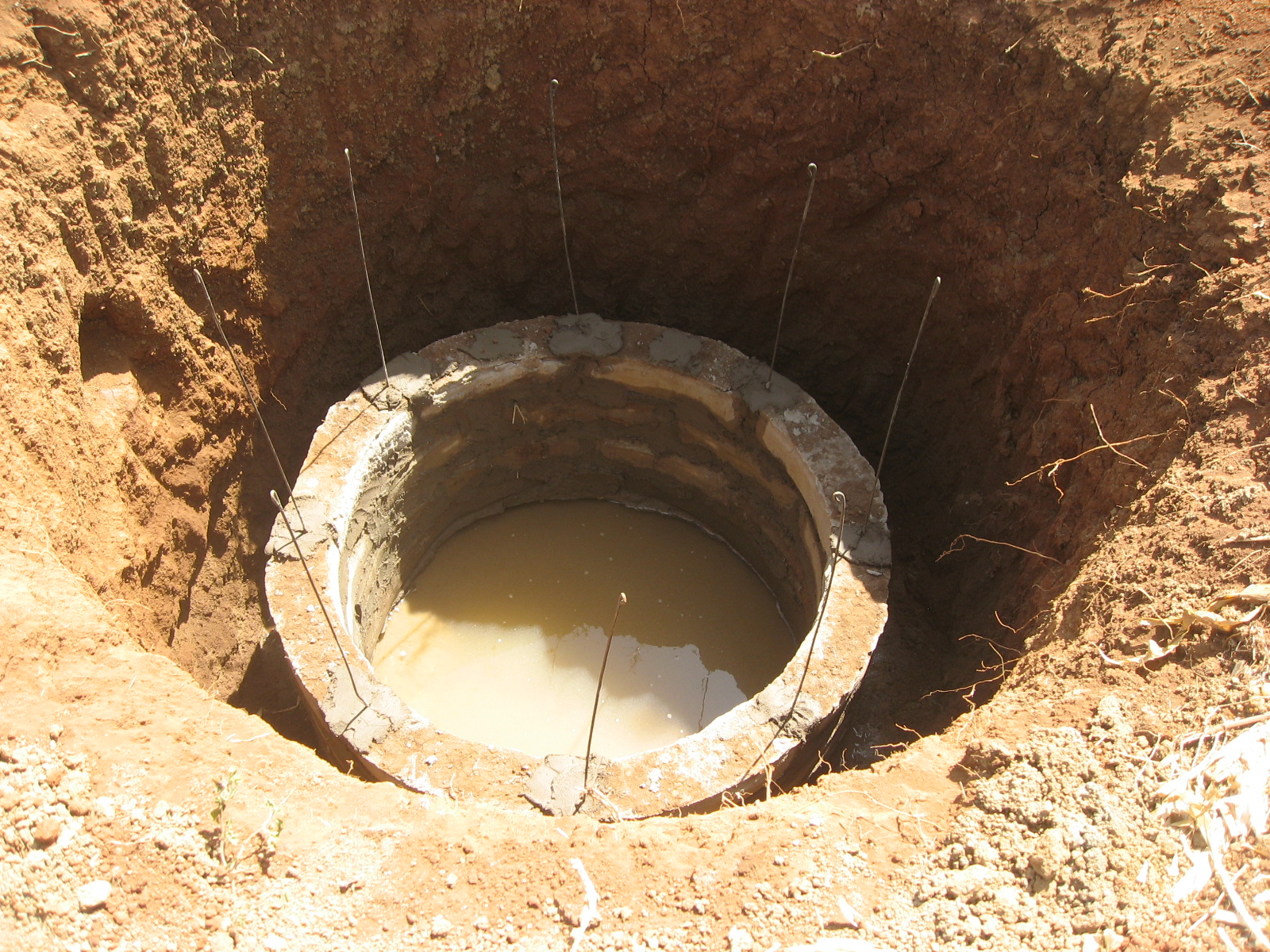
Shiriki organization is also doing great. Through hard work, know-how, and community help, they have begun the construction of a well on-site. In addition, the harvest continues in Maragua and fresh maize, cowpeas, beans and soya have been ripe for the picking. There is nothing as good as nourishing on your home-grown fruits, vegetables and grains. In addition, we have been sending out a funding proposal to obtain machinery, materials and a workshop for the shoe industry. While resources continues to be a challenge, and the shutting down of the music studio was hard felt, everyone continues working together to uplift the urban and rural communities.
While I commonly write about my experiences from a very positive standpoint, there are harsh realities that Kenya's communities face on a daily basis that I struggle with. Substance abuse is an enormous problem among Nairobi's youth. One of my favourite Dagoretti youth is a regular drug addict. He used to be a Dj and constantly talks in Dj mode "Sista Joelle, mzuri SANA, Blessed Love, Blessed Love, Mzuri SANA". My first impression of him was judgemental and somewhat annoyed. Yet, I have seen this young man perform incredible acts of kindness that made me think of the good samaritan. Another youth-man was badly beaten up and left on the side of the road a couple weeks back. While everyone simply walked over, around or beside him, this guy picked him up, brought him to shelter, nursed his wounds, and brought him food and water.
I have heard stories about friends shot down by police or local gangs, yet I have only seen a glimpse of this brutality. I listen to their stories, but have no idea what life must be like for them. I can see how real the trauma is, and how difficult it is to talk about. During the post-election violence of 2007, these youth have witnessed and experienced atrocities. Here is a story I was told:
During the post-election violence I never went out at at night, and had to be extremely careful during the day. It would be better to stay underground all the time, but we needed to find food, so didn't have a choice but to emerge and hustle on the streets. I was walking with my friend when members of the Mungiki called out to us. "What's your name?" "Who are you?" I knew they would recognize our tribe from our names, so I took off running. My friend froze in his tracks, and when I looked back to locate him, I saw him kneeling down in front of them. Using machetes they cut off both his hands. I stood in horror and couldn't watch them finish him off. I froze in shock until I realized they were now running after me. Sprinting hard through the streets of the slums I blindly ran into a dead end. I was cornered against tin shack buildings and the river of sewage 20 feet below. With no where else to turn, I jumped, straight into the sewage. Thanks be to Jah my life was spared that day, though I had to immerse myself in the rivers of human waste, none of the Mungiki jumped after me and I managed to get home to see another day.
I walk through the slums each day, and tolerate the sewage trenches, human waste, sick children, and young prositutes. I see the young mothers struggling to feed their families and turning to prostitution as a means of survival. I empathize, but at the end of the day, I get to go home to my safe, clean, secure apartment. I have a warm bed, food, and a comparitively large bank account. They don't have these luxuries. While I believe I have bridged some sort of a divide by forging meaningful relationships with individuals and organizations from a very different walk of life than mine, I know that we are not the same. Their challenges are not my challenges, their trials are far harsher than my trials, and when they fall, they often fall hard with no one to pick them up. As horrible as it sounds, I can see survival of the fittest taking place before my eyes. Truly, these young men and women are warriors, yet I have seen some of the brightest lights emerge through their lives. It reminds me of a quote I was told yesterday by another street warrior: In every person's soul is the image of God waiting to be seen.
My Kenyan experience has changed a great deal from when I
first arrived until now. Before leaving for Kenya, I was linked into one
organization, Shiriki, and was told that I would be most useful in the rural
area of Kitui. If you have followed my blog since the beginning, you know that
while I did live out in Kitui for some time, I have spent most of my time in
Nairobi. This is of no surprise, as even before I left the northwest, I felt
that I wanted to be working with youth in the city’s slums. For some reason, I
felt a strong pull in that area. Perhaps it is a calling, OR more likely it is curiosity,
fascination with Hollywood’s glamorization of ghetto life, or simply my
reservations of leaving behind the comforts of the city (aka hot showers,
modern kitchens, tile floors). Either way, I love the hustle and bustle of the
city and though there are many downsides, I feel truly content here. This
update is a little bit long, so get ready to read!
One thing about cities that has always drawn my attention is
city art. Not the type of art you see hung up in art galleries (though I
appreciate that too), but the kind of art innovations that occur when people
turn trash into something magnificent. This is what I love about Nairobi and
the colorful characters that dwell here. Jah Warrior, a young man of 25 years (pictured above),
born and raised in the ghetto. While attending high school he was living and sleeping on the street, and eating from the garbage. How, he is a well-known
local artist who paints on virtually any medium, writes music and sings at
different venues in Nairobi. Though he is still struggling to get by, he maintains
an incredibly positive outlook. He has a 2 year old son that he is raising by
himself. I am assisting him by helping make a short film about ghetto living. I will post it here when it is complete.
Reading the screenplay for the short film
What update would be complete without mentioning our fine
Nairobi police? After filming some night scenes in the fine housing the Kenyan
government provides to the citizens of Kawangware, Jah Warrior and Nightsake
(an actor in the movie) thoughtfully walk me home. No problem, I arrived home
safe and sound, bid farewell and promptly go to sleep. An hour or so passes,
and my phone begins ringing. Not uncommon. I ignore the phone, go back to
sleep. The phone rings again. Again I ignore. The phone rings a third time and
the responsible side of me answers this time. A panicked voice: “Jahwil, they have
arrested us, we weren’t doing anything, please come, please come down here”. It
is midnight and though I know they will not be released at night, I make my way
down to the police station to find out what the charges were. Funny thing, the
officer is reluctant to tell me their charges. I go back the next morning
bringing a full grocery bag of breakfast for the youth. They are temporarily
let out of the holding cell (filled to the brim I might add), and they sit
beside me on the bunch. Jah Warrior looks over at me and says the most profound
statement “this place is shit”.
ABSOLUTELY. They describe the extremely unhygienic conditions in which they slept in, the room is riddled
with lice, and the captive youth have not been given a drop of water. Needless
to say, after speaking with the OCS, they are released.
Indeed, never a dull moment in
Nairobi. I love working with Kenya’s young population, listening to their
stories, asking them about their talents, skills, strengths, and helping to
connect them with ideas, resources and information. Over the last month I have
helped several youth work towards obtaining a national ID. In Kenya, it is not
possible to get a job in the formal economy without an ID. This is a big
challenge for many of the street youth who don’t even know their own birthdays,
let alone the information, documentation and confidence required to obtain an
ID. As I have come to experience, several bureaucratic procedures must be taken
before an ID is granted. These procedures include swearing an affidavit before
the High Court, obtaining permission from the Chief, standing in long lines,
and wading through the red tape. Despite my complaints, the mission has been a
great success, IDs have been granted. The formerly unidentified are Kenyan
nationals, ready to contribute to the country’s GDP! Well, we haven’t gotten
there yet, but progress is being made.
Sammy (One of the youth I am helping to get formal licensing for matatu conducting)
I have also tried to help
facilitate some of the youth to start up a small business by providing small
loans and information support, though I did require explicit business plans inclusive with budgets (kind
of). Anyways, one of the businesses involves the buying of clothes from Gikombe
and selling in Dagoretti. Gikombe is the largest marketplace in Nairobi. Mass
shipments of your graciously donated second hand clothing items get sent here
where hawkers buy crates of unseen clothing which they unwrap, sort, and sell
to the vendors. There is money to be made in the second hand clothing market,
and if one hustles hard, knows how to find nice clothes, they can make some
extra income. The other business loan was for a start-up hoteli in Kibera. The
word hoteli is equivalent to the English word café. They are selling typical
Kenyan food, working hard, and hoping to turn a profit. Thus far, I have
received positive feedback about both businesses, the youth are learning a lot,
and though the work is hard, there seems to be a sense of pride in running
their own ventures.
Hoteli in Kibera
Though you can sense my
enthusiasm in the work I am doing with the youth, I have not forgotten about my
two organizations: Shiriki and Soweto Academy. I continue to collaborate, share
ideas, hunt for proposals and share in collective discourse with the other Shiriki volunteers. We are still awaiting information on our status in the youth in
agriculture blog competition. I have largely passed over the reins in terms of
updating the website and the blog to other members of the organization, though
I still update and edit as well. On an unfortunate note, due to beefed up
security in our country’s capital (triggered by the Al Shabab attacks and
election year), the place where the music department operated complete with
studio has been shut down. The Kenyan police have ousted the building from
public use and we unfortunately need to find another venue for the music works.
This has come as a big disappointment for the hard working musicians within
Shiriki, though I know there is another plan in store for them, onwards and
upwards, though it may take some time for the plan to unfold. The agriculture initiative continues in Maragua: http://shirikiorganization.blogspot.com/ and I am planning to visit the farm again in the near future.
I also had the opportunity of
touring around Dandorra with one of the Shiriki members, Ras Ambassa. I have
long been interested in garbage collection due to the immense need present
throughout Kibera, Dagoretti and nearly all, but the upscale neighborhoods of
Nairobi. What I found there was far from pleasant, progressive, or even humane.
Dandorra is Nairobi’s garbage dumping site. No one bothered to dig a landfill here;
instead, the garbage is dumped on what was once a beautiful greenscape in
Nairobi. Unfortunately, it also houses more than 1 million people. There are no regulations enforced to safely dispose of toxic waste and
hazardous materials. In fact, 10% of the population (including children)
make an income wading through this garbage. Life expectancy, unsurprisingly but very sadly, in Dandorra is around 45 years. As soon as I alighted from the matatu, the overwhelming smell of garbage
permeated the atmosphere. The temperature tipped 30 degrees and there was no
escape. Fortunately for me, in a couple hours I was out of there. However,
there is no escape for the residents of Dandorra, the hotter the heat, the more
toxic the air. Respiratory diseases, cancer, tumours and typhoid are
commonplace.
Nairobi has over four million
inhabitants and just one dumping site. There is no legal framework for solid
waste management and disposal. More than 2,000 tons of rubbish is dumped in
Dandora every day. Dandora covers 30 acres and is located in the center of a
poor residential area. It has been there for thirty years. In 2001 it was
declared to be at full capacity and a health hazard to the neighbouring
population. Chemical, Hospital, Industrial, Agricultural, Urban and Domestic
Waste is dumped and left unprocessed. Due to lack of space the people are
forced to burn the waste to reduce its volume. Toxic fumes continuously
contaminate the air. This issue is closely linked to various interests and
illegal activities.
Child working in the garbage in Dandora
Even still, ``the light shines in
the darkness, and darkness has not overcome it`` John 1:5. I was introduced to
a local NGO working to improve the livelihoods of the community by providing
youth with income generation ideas, connection to information, community
participation through sports, and facilitating community clean-up days. And
this is what I have come to admire so much about Kenya, youth living in the
ghetto recognizing that unity brings strength, by organizing, mobilizing and
pooling their human capital, they can make a big impact and effect positive
change. There are many groups of young people working together in this
capacity, and I am humbled by their work ethic and spirit of hope.
I am still involved with Soweto
Academy as well, on a very positive
note, the computer proposal has been very positively received by the Safaricom
Foundation. They have not yet given me a response on whether or not they will fund
the project; however, they currently have the proposal under consideration, and
will respond within the next few weeks.
On another positive note, my
brother came to visit me for two weeks in January. My brother, Adam, is a nurse
working at a mental health facility in B.C. He volunteered with the health
clinic at Soweto Academy, in addition to seeing some of the beautiful (and not
so beautiful) Kenyan sites, meeting the infamously friendly Kenyan people,
including members of Shiriki, and my neighborhood youth. While visiting me, he
went on a gruelling walking safari through the Masai Mara, climbed Mt.
Longonot, biked through the rift valley and got lost in the biggest slum in
East Africa. Not quite a beach vacation, but a great time for everyone
including myself and all that got to know Adam. We did have our indulgences
though, which included dining on the finest Ethiopian food, attending a social gathering in my apartment building, and checking out some of Nairobi's museums and city markets. Now that Adam has left, I am constantly asked, how is Adam doing? When is Adam coming back? It is
funny how fast time goes by; it feels like Adam was only here for a weekend,
though it was two full weeks.
Adam in the Rift Valley
Another project has emerged: I was asked by
some of my fellow Dagoretti community youth members to help out in forming a formally registered
Community Based Organization called KUSH-ITES Family. I was asked to help out with this initiative in early January. The very first meeting was held in Satelite at one of the member's homes. There were about 30 people, all youth, and all eager to start up this organization. The meeting commenced with the mandate that we would make a constitution, we would elect board members, and we would register the organization during the upcoming week (fairly ambitious first meeting). As things progressed I was asked to be Secretary, to keep the minutes, and facilitate the registration process. Partway through the meeting, an agitated young man entered the compound. Though he was talking in Sheng (mix of Swahili and English), I could understand that he wanted money for his friend that was being held by the police. The members did not give in to his wishes and he got increasingly agitated, started shoving some of the members, making threats, picking up large rocks. Though everyone seemed pretty calm, it certainly freaked me out. Finally the man left, only to return 5 minutes later, even more agitated. He ran up to the member sitting beside me and pushed him off his chair, started yelling, picked up some rocks, and we all piled out of there. Again everyone was pretty calm, except me. A little shooken up, I exchanged glances with some of the other members and the only consolation I got was "welcome to the ghetto".
KUSH-ITES Family CBO
We have been meeting every Monday, and the objectives of the group include problem solving within the community, facilitating small business ideas, and organizing community events (such as the community event on December 12th that I posted about a couple blogs ago, which was organized by members of this organization). I was tasked with the job of officially registering the organization which involved writing up the constitution, making the list of members, filling out applications and getting approval from the Chief, District Officer and Ministry of Gender and Social Services. While it took me about two weeks to complete everything, I can thankfully say the group is officially registerered and we will be able to pick up our certificate in two weeks. Now the real planning will begin ....
I have only two months left here, not a happy thought. I have gotten to work with many different people in different capacities, I have learned a ton about Kenya, grassroots organizations, learned some Swahilli, and have seen the overwhelming needs evident everywhere. I have started to think about starting an initiative out here. An initiative that could continue to help out the youth, perhaps more formally, through resources, information, mentoring, knowledge and expertise. I am gathering ideas on how to make such an initiative happen and how to make it sustainable. Thus far, these are just thoughts, and this may only commence in the future, but I feel I have found a role here amongst the youth and would like to be able to continue with this work.
The police have been on a rampage arresting the youth at every corner, street and side road. Imagine you are sitting on a bench near the side of the road. There are several youth gathered waiting for business. They wait to find work conducting in a matatu, they wait to find people who want their shoes cleaned or fixed, they wait to find any available job at all that will give them 30 - 100 shillings (50 cents to a little more than a dollar) so that they can eat.
Two people walk up to the scene. They are young (early twenties), dressed casually, and appear nonchalant. A question is posed: "what are you guys doing here?", a simple reply: "we are waiting to get work", "Ahhh, so you are idling", "no we are waiting for work", the handcuffs come out, eyes dart for an escape and the youth are off sprinting in any direction away from the police.
The police are usually successful at catching one or two people. They haul them down to the police station and come up with a false charge: robbery, public drunkeness, tauting, etc... What the police are looking for ... are bribes. Here are some pictures of police doing what police do best.
I decided it was time to have a little talk with the so called Department of Justice. There were a few different police stations on my radar, first stop: xxx Police. I arrived early in the morning (having been there already the previous night and told what time to come the next day). I was alone, and brought some bread, bananas and milk to give to the youth. While they are offered some food by the police, it is very very little. Their holding cell is a small room containing up to 30 people. No showers are offered, and they are required to participate in hard labour during the day: truly pitiful conditions. A youth can spend up to 2 months in that room with no shower, hard labour and minimal food. They sleep on the floor with no blankets, pillows or mattresses.
I walked into the office, and always enjoy the reaction people have to a white woman visiting the police station in the ghetto. I asked to speak to the OCS in which they directed me to wait outside his office. He called me in shortly thereafter, and I told him that I knew the youth, they were good boys, they were not criminals, and we were working together trying to start an organization. No one dared ask me for a bribe. I was later told that this is because the police are scared that I might report them (not an unfounded suspicion). The OCS was extremely friendly with me, and after a series of questions about my work here in Kenya, he ordered the youth to be released. He gave a short lecture to the youth, and we were on our way. As the youth were let out of the cell, the officers in the station kept asking them "Who is this white woman? How do you know her? Why has she come?"
Next stop: xxx police station. Xxx police station is not a pleasant place, though it is located in a much more serene environment than Xxx. The police here are notoriously corrupt and known for brutality and torture. In fact, the IMLU (Independent Medical Legal Unit) has documented 217 cases of torture by the Xxxx police, and 24 cases of extra-judicial killings. I can assure you, this is an underreported number. Therefore, I felt an urgent need to get down there and help in any way possible. Adrenaline pumping, I approached the office and asked to speak to the officer in charge, the OCS. Again, I entered his office and told him I was a youth advocate, and wanted to know why they were being held, what their charges were, and what the official procedure was. I also told him that I work with these youth, they are of good character, and are not criminals. The OCS listened intently, though not quite as friendly as the last one, but again, did not dare ask me for a bribe. He hauled the youth into the room and asked a series of questions about family, livelihood and dwelling place. After he finished asking these futile questions, and lecturing the youth about his "criminal activity", the meeting adjourned and the youth were released later that day. However, I was informed that someone else had been asked to pay a bribe on behalf of the youth, hence they were not freed without feeding the bribery spiral. It is astonishing that the police are targeting the very poor, those that are barely getting by, the bottom of the pyramid consumers. Here is an example of their living place below.
Again, the holding conditions at this police station are atrocious. Everyone is crammed together into a tiny cell, no beds, blankets, or chairs. They are barely fed, and are expected to stay in the cell for as long as it takes to obtain a verdict from trial. I know some individuals who have been kept in remand for two years! Many youth will plead guilty just to avoid the extremely long wait for trial. The levels of corruption never cease to amaze me. Threats, torture, bribes and murder: the police know no boundaries. There is a Department of Anti-corruption in which you can report such acts of corruption; however, one must be careful when reporting officers as retaliation is all too common if they can figure out your identity. For now, my friends are free, though, they are using extreme caution and are avoiding being seen congregating by the roadside.
It is a new day and there is new hope that lives can change, systems of corruption can be brought to justice, and the impoverished can escape the cycles of poverty. I have been honored with the nickname "Jah Will" instead of Joelle. Jah will be done - there are solutions out there, may we be granted the wisdom to find them.
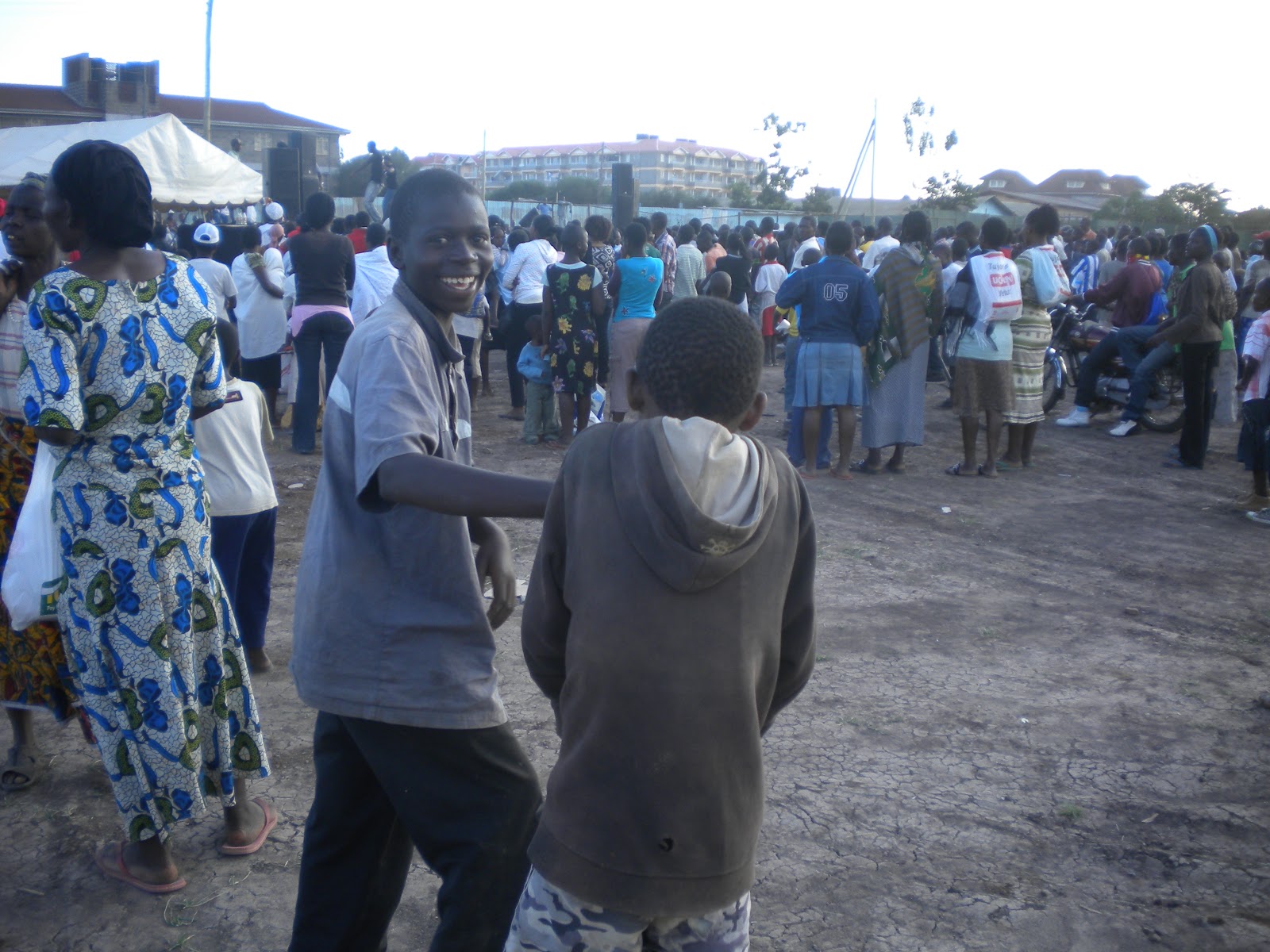
The New Year is right around the corner and I have come to the realization that my time here is limited: a very stressful thought. The longer I stay here in Kenya, the more I hate to leave this place, my projects, and the friends that I have made. Living in Dagoretti has been such a huge blessing, words cannot express my gratitude. On December 12th, a Dagoretti community event was held where food was collected for the less fortunate, football matches were held throughout the day, and the youth showcased their musical talents onstage. To the right is a picture of the event and some of the community members that attended.
My relationships with the street youth has continued to grow, and so has my knowledge about street life and the immense difficulties these youth face. The police are an ongoing source of stress for the youth. Most of the youth have experienced police brutality in some form or another. This ranges from bribes, threats, torture and even murder. I have seen these youth, street smart survivors, tearfully describing receiving police death threats. I have been told stories about friends who were dragged to the nearby forest and executed at the hands of the police. In fact, just before sitting down at my computer today, the police hauled the driver out of his matatu at Wanyee corner (where I live), and beat him in broad daylight. Below are some of the street youth after being brutalized by police. The youth are intelligent, creative, charismatic individuals and I can see their immense potential. Unfortunately, when you are hungry, tired, sick and cold, it is difficult to apply oneself to the fullest. How can this cycle be broken?
On a lighter note, I also got the opportunity to attend a community event over in Eastleigh. Eastleigh is a suburb of Nairobi predominantly inhabited by Somolians. My language tutor, Nancy Njeri, helped to organize an event for girls in Eastleigh called Ms Mrembo (beautiful in Swahili). The event featured girls football matches followed by a fashion show. During the fashion show girls modelled clothing, hair and make-up, and were asked a number of questions about women's inner beauty. It was a great day, and I made a lot of new friends.
In other news, there is no end to the amount of work and the ways to contribute to both Soweto Academy and Shiriki. I am constantly updating the website: www.haileselassiefoundation.com. Also the blog that we started on our Maragua agricultural initiative has been shortlisted in the youth in agriculture blog competition http://shirikiorganization.blogspot.com/ The winners receive 400,000 Ksh, money that would go a long way in assisting Shiriki's ongoing endeavors.
In addition, we recently submitted a project proposal to the Umande Trust fund. The Umande group has been working with grassroots NGOs located in Kibera. They have provided ongoing training and workshops for these NGOs and recently asked for project proposals for funding. As I have already mentioned, the Shiriki volunteers make a variety of arts for sale, which is the main source of funding for the NGO. We visited a very successful shoe making organization located in Eastleigh called Eco-sandals. They create sandals out of recycled materials, similar to Shiriki, and sell them both locally and internationally. They have acquired machinery to reduce labour time, and have actively reached out to fair trade eco-friendly retail outlets in the western world. They represent a model for which Shiriki is striving to achieve. To the right is a picture of Ras Ng'ang, a Shiriki volunteer, at Eco-sandals in Eastleigh.
As for Soweto Academy, things have also been moving along. I finalized the project proposal to apply for funding to obtain computers in their school. I have sent it out to two different foundations and though I have already received one rejection letter, I am going to keep trying! For the cost of implementing a computer curriculum in their school, it is a very worthwhile project. I am also continuing to research ways to help them obtain the much needed capital to get their water bottling company off the ground. I recently met with the Acumen Fund and talked about their business plan to verify whether Acumen would be an appropriate donor agency in which to submit a proposal. I am not sure if it is a direct fit, nonetheless, I obtained some very good information and suggestions which I have shared with the management over at Soweto.
Last, but not least, my very good friend Theresa came to visit me during Christmas. We had a lot of fun together. We visited the coast, got to go snorkeling, saw dolphins (pictured above), and ate some delicious coastal food. We also spent a lot of time in Nairobi and I got the opportunity to show her a part of my world. She helped me with some of my projects and shared some of her own ideas for both Shiriki and Soweto Academy. Me and Theresa have been friends for over 18 years, and it was a real blessing to have her spend the holidays with me and meet some of the colorful characters I have come to know.